

transfor45
About Company
Understanding Power Transformers and Current Transformers: A Complete Guide

Transformers are the backbone of electrical systems, ensuring the efficient transmission and distribution of electricity. Whether you’re an electrical engineer or a tech enthusiast, understanding power transformer and current transformers is crucial for safe and reliable operations. In this guide, we’ll explore their functions, types, maintenance tips, and key considerations for optimal performance.
What is a Power Transformer?
A power transformer is an electrical device designed to transfer electrical energy between two or more circuits through electromagnetic induction. It is primarily used to step up (increase) or step down (decrease) voltage levels in transmission and distribution networks.
Key Features of Power Transformers:
High Voltage Handling: Designed to manage high voltages efficiently.
Energy Efficiency: Minimal energy loss during voltage conversion.
Durability: Built for long-term operation with minimal maintenance.
Applications:
Electrical power generation plants
Transmission lines
Industrial facilities
Large commercial buildings
Types of Power Transformers
Power transformers are classified based on various parameters:
Step-up Transformer: Increases voltage from the primary to the secondary winding.
Step-down Transformer: Decreases voltage to a safer level for end-use equipment.
Single-phase Transformer: Suitable for residential and light commercial applications.
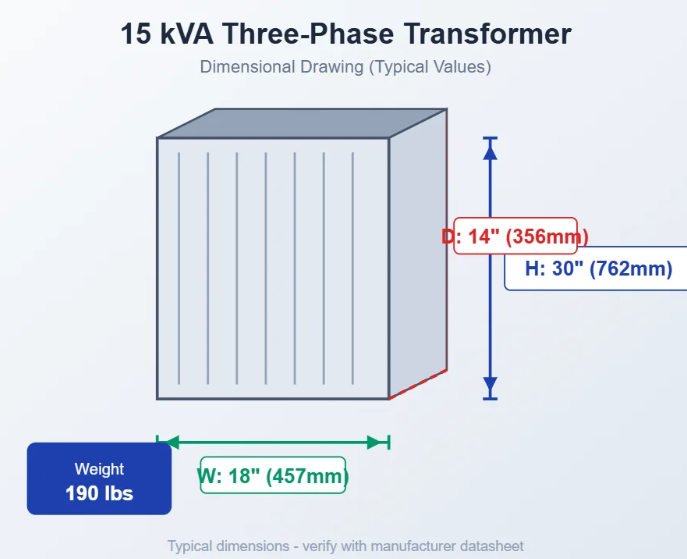
Three-phase Transformer: Ideal for large industrial and utility-scale operations.
What is a Current Transformer (CT)?
A current transformer (CT) is a type of instrument transformer used to measure alternating current (AC). It reduces high current to a lower, safer value that can be easily monitored by instruments or relays.
Advantages of Using Current Transformers:
Safety: Allows measurement of high currents without direct exposure.
Accuracy: Provides precise current readings for monitoring and protection.
Versatility: Can be used for metering and protective relays.
Applications of Current Transformers:
Power metering systems
Protective relays in substations
Monitoring electrical load in industrial plants
Maintenance Tips for Transformers
Proper maintenance ensures the longevity and reliability of transformers. Here are some expert tips:
Regular Inspections: Check for oil leaks, unusual noises, and overheating.
Oil Testing: Ensure transformer oil is clean and has the correct dielectric strength.
Load Monitoring: Avoid overloading, which can lead to insulation damage.
Cleaning: Keep the transformer and surrounding area free from dust and debris.
Thermal Imaging: Detect hot spots before they become critical failures.
Best Practices for Transformer Safety
Always follow manufacturer guidelines.
Use protective relays and circuit breakers.
Keep a record of maintenance and performance logs.
Ensure proper grounding to avoid electrical hazards.
Conclusion
Understanding the differences and applications of power transformers and current transformer is essential for anyone working in electrical engineering. Proper installation, maintenance, and monitoring not only extend the life of transformers but also enhance the overall safety and efficiency of electrical systems.